WASHINGTON – As the 2026 diplomatic calendar unfolds, President Donald Trump has once again placed the North Atlantic Treaty Organization (NATO) in his crosshairs. For the second time this year, the President has threatened to sever ties with the historic alliance, citing a lack of support for US military operations in the Iran war and lingering resentment over the Greenland territorial dispute.
The Iran Conflict: A New Stress Test for NATO
President Trump’s recent frustrations boiled over following a high-stakes meeting with NATO Secretary General Mark Rutte. The President labeled the alliance a “paper tiger,” expressing deep disappointment that member states have not provided more robust assistance in the ongoing conflict with Iran.
Taking to Truth Social, Trump linked the current lack of cooperation to previous diplomatic friction involving Denmark. "NATO wasn't there when we needed them," the President posted, referencing his administration's stalled efforts to gain control of Greenland. He warned that if allies do not step up, particularly in securing the Strait of Hormuz, the US may reconsider its foundational commitments.
Legal Safeguards and Domestic Sentiment
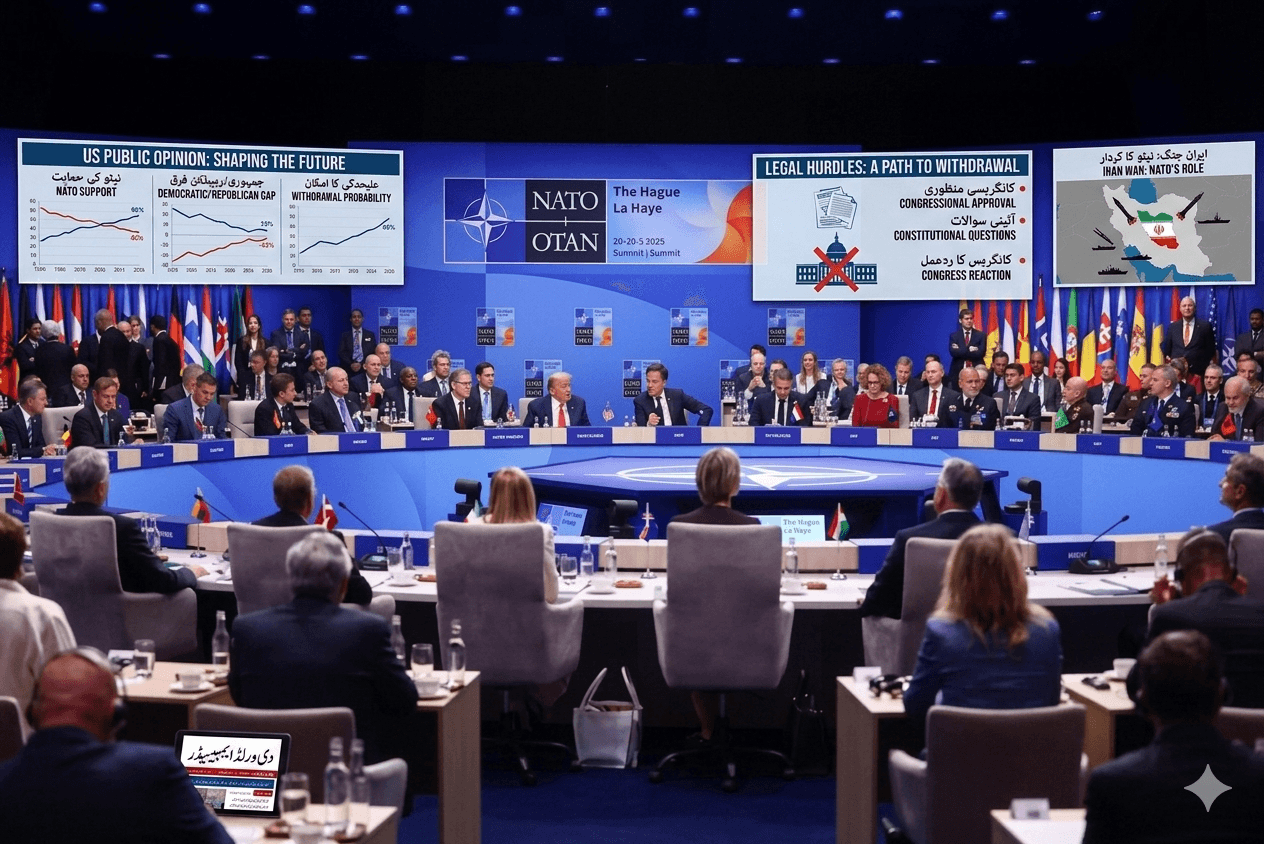
Despite the President's rhetoric, a full withdrawal remains a legal uphill battle. Between his first and second terms, Congress implemented "Trump-proof" measures. Under a 2023 provision championed by Secretary of State Marco Rubio, any attempt to exit the alliance requires formal Congressional approval.
Public opinion also remains a significant hurdle for the administration. Recent polling data reveals a complex landscape:
Strong Support: An AP-NORC poll in February showed 70% of Americans view NATO membership as beneficial.
Partisan Shift: While overall favorability remains near 60%, support among Republicans has dipped slightly since the onset of the Iran war, dropping from 49% to 38% according to Pew Research.
Commitment: Nearly 77% of Americans support maintaining or increasing the current US commitment to the alliance, marking a historic high in Gallup's long-term tracking.
The Future of the "Rules-Based Order"
The strategic rift has led some allies to contemplate a future independent of American leadership. Canadian Prime Minister Mark Carney has already hinted at a "post-US" NATO framework, citing a decline in the traditional rules-based order.
While formal withdrawal is unlikely, the Trump administration is reportedly considering tactical shifts, such as:
Troop Reallocation: Moving US forces out of member nations deemed "unhelpful" regarding Iran.
Base Closures: Potential shutdowns of strategic installations in non-cooperative European territories.
Economic Pressure: Utilizing tariffs as a tool to leverage military cooperation.
As the fragile truce with Iran continues, the durability of NATO remains the most pressing question for global security in 2026. Whether the alliance can survive this era of "might makes right" diplomacy will depend on the balance between executive action and the resilience of international law.











Responses (0)