
ISLAMABAD/NEW DELHI – As a fragile two-week ceasefire takes hold between the United States and Iran, the global spotlight has shifted toward Pakistan’s pivotal role as a mediator. While international leaders have been quick to laud Islamabad’s efforts, the reaction from New Delhi has been notably cold, sparking a heated debate within India regarding its own standing in global diplomacy.
India’s Cautious Response and Strategic Silence
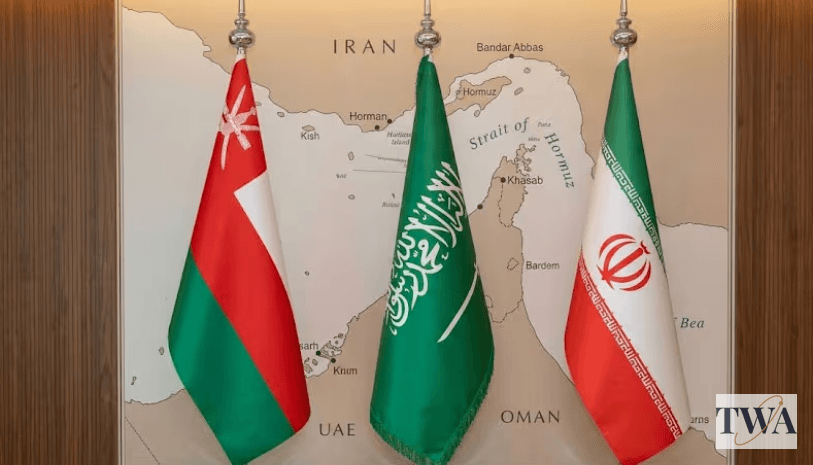
In an official statement, the Indian Ministry of External Affairs welcomed the ceasefire, citing the need for stability in Western Asia and the protection of oil trade through the Strait of Hormuz. However, the communique conspicuously omitted any mention of Pakistan.
This silence follows a controversial remark made in March 2026 by Indian External Affairs Minister S. Jaishankar, who dismissed Pakistan’s mediation attempts by stating India had no desire to become a "broker country." Pakistan’s Foreign Office recently countered these comments, describing them as a reflection of "deep frustration and diplomatic insecurity."
Domestic Backlash: Opposition Slams Modi Government
The success of the "Islamabad Talks" has provided fresh ammunition for India’s opposition parties. Leaders from the Congress Party have questioned why India remained on the sidelines while its neighbor took the lead in preventing a regional catastrophe.
Rashid Alvi (Congress): Criticized Prime Minister Modi’s perceived bias, suggesting that his close alignment with Israel—referring to it as "Fatherland"—hindered India's ability to act as a neutral peacemaker.
Jairam Ramesh: Noted that the "56-inch chest" of the Prime Minister’s self-proclaimed Vishwaguru (World Leader) status has shrunk in the face of Pakistan’s tangible diplomatic success.
The Strategic Context: Pakistan’s Re-emergence
International analysts suggest that Pakistan’s mediation is part of a broader strategy to re-engage with the West following the events of Operation Sindoor (2025). By positioning itself as an indispensable bridge between Washington and Tehran, Islamabad has effectively moved from the periphery back to the center of U.S. foreign policy.
While some Indian experts, such as Harsh Pant, characterize this as "short-term diplomacy," the reality remains that Pakistan’s involvement has yielded a result that impacts global energy security and regional peace—a feat that has undeniably altered the diplomatic scorecard in South Asia.









Responses (0)